
Planning a trip but confused whether summer or winter is the best time to travel? Choosing the right season can completely change your travel experience. In India, summers can be extreme—cities like Delhi often touch 45°C in May—while winters (November to February) are cool and dry. Summer travel usually means escaping to hill stations or coastal areas, while winter offers comfortable sightseeing and festive vibes. In short, the season you choose directly affects your comfort, budget, and activities.
What is Summer Travel?
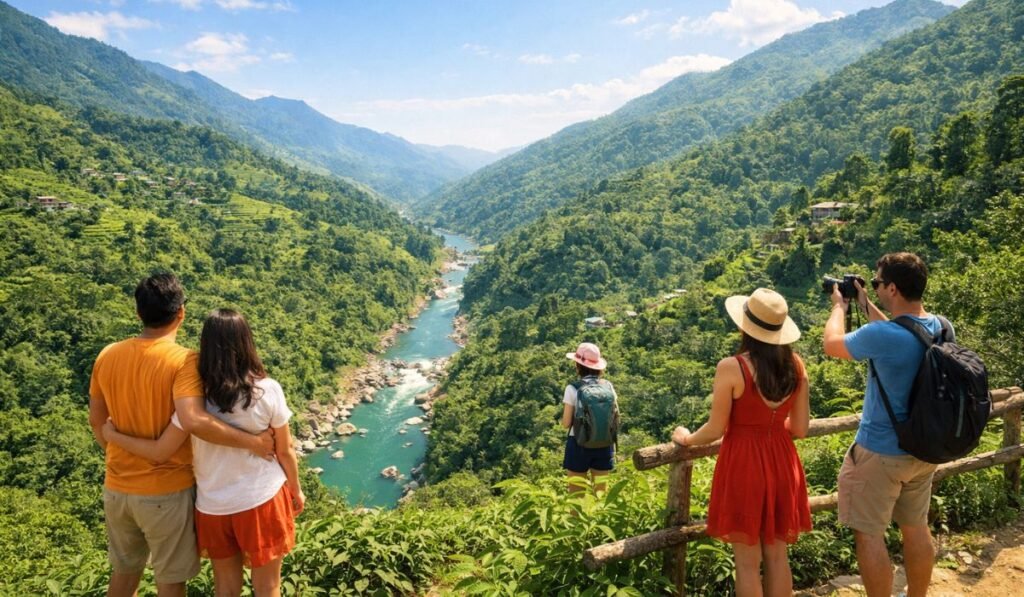
Summer travel refers to trips taken in the warmest months (around March–June in India). It means long, sunny days and high temperatures. In India’s summer, most places are hot and dry, so travelers often head to higher altitudes or coastlines for relief. You may enjoy clear skies and outdoor adventures, but you also need to prepare for very hot afternoons (locals often nap from noon–3pm). Summer travel can include desert safaris or hill station treks, but remember that many famous beaches and ruins will be bustling and sun-exposed.
Advantages of Summer Travel
- Long days & outdoor fun: Summers have more daylight for sightseeing and beach days. Warm weather means hiking, water sports and al fresco festivals are in full swing.
- Off-season perks: In many areas (especially tropical or very hot places), summer is actually the off-season. This often brings lower hotel prices and fewer crowds. You might find museum queues shorter and better hotel service.
- Local life & treats: Traveling in summer lets you experience unique local culture, like fruit festivals. For example, visiting during mango season in India can be a treat. With fewer tourists around, you often get a more authentic glimpse of daily life.
Disadvantages of Summer Travel
- Extreme heat: High temperatures can be exhausting or risky. In parts of India (Rajasthan, Delhi) it often soars past 45°C. This makes outdoor touring harder and can cause dehydration or heatstroke.
- Midday downtime: The sun can be intense from late morning to afternoon. Many sights or markets may close or slow down, and everyone (even locals) may rest during “siesta” hours. Your sightseeing schedule might need to focus on mornings and evenings.
- Humidity and storms: Tropical regions become very humid, and late summer can bring sudden rain storms. This unpredictability can disrupt plans (for example, monsoon clouds in Kerala or South India start building by June).
- Crowds at popular spots: Though some places quiet down, summer is still a busy time for hill stations, beaches and international travel. Popular destinations (like beach resorts or landmarks) can have long queues and crowded hotels.
Travel Tip: Use strong sun protection. Always apply broad-spectrum sunscreen (SPF 30+) and wear a wide-brimmed hat. Light-colored, loose cotton or linen clothing will keep you cooler.
Travel Tip: Stay hydrated and carry a water bottle with a filter. Drink plenty of fluids like water or coconut water (a natural electrolyte drink). It’s better to sip frequently than gulp large amounts later.
What is Winter Travel?
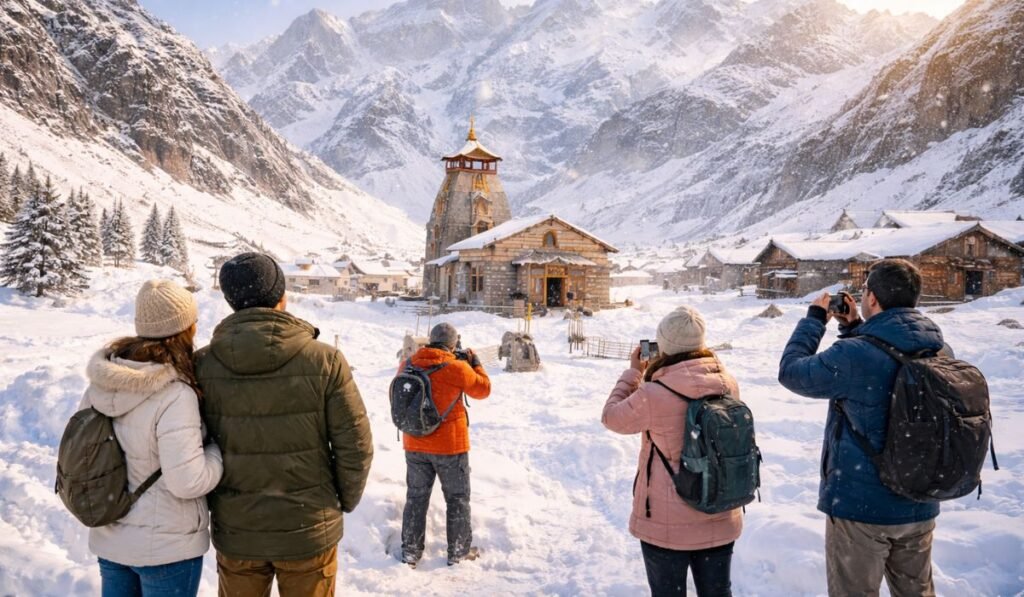
Winter travel means journeys taken in the cooler months (around November–February in India). Winter days are shorter and the air is cooler or cold, depending on where you go. In India, winter travel is famous for its pleasant climate and clear skies. For example, cities like Jaipur or Delhi drop to 15–25°C, making sightseeing comfortable. In the Himalayas (Shimla, Auli, Gulmarg), winter brings snow and opportunities for skiing. Culturally, winter includes major festivals (Diwali, Christmas, New Year) that add a festive vibe to travel.
Advantages of Winter Travel
- Comfortable weather: Most of India (and Europe, North America, etc.) has cool but sunny winter days, ideal for outdoor touring. Places like Darjeeling see “crisp, clear skies” in winter. Desert cities (Jaipur, Jodhpur) become very pleasant (winter is “perfect sightseeing weather”).
- Snow activities: Winter is the only season for snow sports. Ski resorts like Auli or Gulmarg open up for skiing and snowboarding, turning mountains into winter wonderlands. If you love snow, this is your season.
- Festivals & holidays: Winter includes many cultural events. Christmas markets, New Year fireworks, and local winter festivals (like Rann Utsav in Gujarat) offer unique experiences. It also means cozy evenings—think sitting by a fireplace or enjoying hot local cuisine. Winter is also ideal for extended winter tours across North India, especially routes that combine heritage cities with cooler regions like Kashmir, where sightseeing is more comfortable and landscapes look stunning.
- Low crowds (off-peak): Aside from ski resorts, many tourist spots are quieter in winter. Museums, monuments and streets have fewer visitors, so you get more authentic experiences. Photo ops are easier without long lines or photobombers.
- Best beaches & tropics: For beach-lovers, winter can be ideal. Places like Goa, Kerala coast, or Maldives have sunny days and low rain, making them great winter sun escapes.
Disadvantages of Winter Travel
- Cold extremes: In mountain regions, winter means snow and frigid temperatures. You’ll need heavy jackets and gear (nights can drop below 0°C). Shorter days (sunset by 5–6pm) also limit outdoor time. In contrast, southern India remains warm, so you might switch to warm clothes as you move around.
- High season costs: Winter is peak season in many places (holiday travel, ski resorts). Airfares and hotels can be expensive around Christmas/New Year. You may find fewer bargains than in low-season.
- Crowds in resorts: Popular winter destinations (ski villages, holiday cities) can be packed. For example, ski resorts and holiday markets draw big crowds. Plan and book early to avoid sold-out hotels.
- Travel disruptions: Snow and ice can delay travel. Mountain roads or passes (like Rohtang or Ladakh passes) may close after heavy snowfall. Always check local weather forecasts.
Travel Tips for Winter Travel:
- Pack layers: Bring warm clothing (coat, gloves, hats) for northern or high-altitude areas; still pack some light clothes if you plan to visit warm southern places.
- Book ahead: Winter is a peak season, so reserve flights and hotels early.
- Plan winter activities: If you want skiing, snow festivals or desert safaris, confirm bookings (lift tickets, guides) in advance.
- Allow flexibility: Give extra time for travel delays (snow, fog). Keep some buffer in your schedule in case of weather changes.
Best Places to Visit in Summer
In India, classic summer escapes are in the hills and mountains. Himalayan hill stations – like Shimla, Manali, Gangtok or Darjeeling – become much cooler than the plains. The remote Spiti Valley and Leh–Ladakh are popular among adventurers in summer. The Western Ghats in South India (Munnar, Ooty, Kodaikanal, Coorg) also stay green and cool, offering waterfalls and tea gardens. Beach destinations like Goa or the Andamans (Havelock Island) see visitors escaping monsoons for sun and sand.
Internationally, summer means beach time in Europe, festivals in cities, or trekking in temperate zones, but within India the focus is on mountains and coasts. Overall, summer travel is ideal for those looking to cool off and enjoy outdoor adventures with longer daylight.
Best Places to Visit in Winter
For winter travel in India, many head to regions where cool weather is an advantage rather than a problem. Ski and snow destinations like Auli (Uttarakhand), Gulmarg (J&K) or Shimla (Himachal) are top choices. Hill towns such as Darjeeling, Shimla and Mussoorie offer clear skies and scenic views. In the deserts, the Rann of Kutch (Gujarat) and Rajasthan’s cities (Jaipur, Udaipur, Jaisalmer) become comfortable for daytime touring. Southern hill stations (Munnar, Coorg) are lush in winter. Winter is also a great time to explore spiritual and heritage destinations, and cultural Golden Triangle tours with Varanasi feel more comfortable in cooler weather, especially for walking tours and evening rituals. Even wildlife parks like Ranthambore (tigers) or national parks in Kerala/Wayanad see good weather. Abroad, winter favorites include ski resorts (the Alps, Japan), or warm spots like the Caribbean. But for an India-focused trip, stick to the above spots – they shine in winter. For example, Jaipur “becomes an ideal winter destination” with great sightseeing weather.
Summer vs Winter Travel – Quick Comparison Table
| Aspect | Summer Travel (Warm Season) | Winter Travel (Cool Season) |
| Weather | Hot, long sunny days (often >35°C in India) – high humidity or rain in some regions | Cool/cold weather, shorter days – clear skies in most places (can be snowy in mountains) |
| Budget | Often off-peak pricing (cheaper hotels/flights in hot regions) | Holiday peak (higher rates around Christmas/New Year), though many off-season deals |
| Crowds | Many attractions busy (July–Aug peaks globally), but hill stations or offbeat spots can be quiet | Generally fewer crowds in cities and sites. (except crowded ski resorts and holidays) |
| Activities | Beach trips, hiking, water sports, open-air festivals | Skiing/snowboarding, festive markets, cozy indoor shows, wildlife viewing |
Which Season is Best for You?
- Families: Often choose summer, since school holidays fall in April–May. Kids get more free time and parents can plan easily. Summer programs and theme parks are open. (However, families must manage the heat on hot days.) Winter offers unique family fun (Santa parades, snow trips), but summer usually wins for scheduling.
- Couples: It depends on your style. Beach and waterfall honeymooners may prefer summer and long daylight. Romantic couples might enjoy a winter trip (cozy fires, festive holidays, or a snowy getaway). Winter sees fewer young kids around, making it peaceful; summer has more outdoor festivals and nightlife.
- Solo Travellers: Many solo adventurers favor winter for the quieter cities and cheaper off-season travel. It’s easier to meet locals when crowds are low. Summer travel gives you daylight for longer daily itineraries, but heat might slow you down. Pack accordingly for either season.
- Budget Travelers: Generally, winter offers better value. Aside from peak holiday spots, prices drop in winter off-season. Accommodations and flights can be 20–30% cheaper than summer peak prices. Summer can be budget-friendly in offbeat regions, but watch for deals.
- Luxury Travelers: Luxury options abound year-round, but winter can bring special deals on resorts. You might find offers on ski lodges or off-season high-end hotels. Summer might have exclusive beach villas and luxury cruises. Choose the season where the experiences match your interests.
Ultimately, neither season is universally “best” – it comes down to your destination and goals. If you hate heat or want festival fun, winter is likely best. If you love sunny adventures and don’t mind higher temps, summer could be ideal. In India specifically, many guides say winter (roughly Nov–Mar) is the “best overall” travel period. Before you book, think about weather comfort, crowd levels, and activities you want. Plan to avoid midday heat in summer or snow delays in winter, and you can have an amazing trip in either season.
Final Conclusion
There’s no one-size-fits-all answer to the summer vs winter travel debate. Each season has its own magic: summer travel offers long days, lively festivals and often lower prices in hot regions, while winter travel brings cool, clear weather, special seasonal activities (like skiing or holiday markets) and quieter sights. Consider your group and priorities: families may prefer summer breaks, whereas solo adventurers might relish the calm of winter. Budget travelers often find winter deals, while luxury travelers look for unique experiences in either season. In India, winter (Nov–Feb) is generally safest for comfortable sightseeing. Whichever season you choose, use the tips above to plan wisely and enjoy your trip to the fullest. Safe travels!
FAQ
Q1: What is the best season to travel in India – summer or winter?
There’s no one “best” answer for all travelers. Generally, winter (November–February) is recommended for most of India because the weather is mild and dry. That period covers major festivals and peak sightseeing. Summer (March–June) is great if you stick to cool hill stations or go abroad, but be ready for very hot days. Choose based on comfort: if heat is a problem, avoid mid-summer.
Q2: What are the advantages of summer travel in India?
Summer travel means long, sunny days perfect for outdoor adventures. You’ll often find fewer crowds and lower prices in many destinations. Beach trips, trekking in the mountains, and outdoor festivals thrive in summer. In India, summer is off-season in very hot places, so hotels in hill stations or national parks may cost less and feel quieter. It’s also fruit season (mangoes, berries) and time for unique local events in some areas.
Q3: What are the advantages of winter travel in India?
Winter travel offers crisp, comfortable weather for sightseeing. Clear skies and cooler temperatures make walking tours and outdoor activities pleasant. You can enjoy snow sports (skiing, snowboarding) in the Himalayas. Festivals like Christmas, New Year or winter fairs provide special cultural experiences Most parks and temples are open without summer heat, and wildlife-viewing can be better (animals gather at waterholes). In many places, you’ll experience fewer crowds and enjoy cozy nights.
Q4: Which season is better for a family vacation vs. a couple’s getaway?
Families with kids often favor summer, because school breaks align with vacation plans (and kids enjoy water parks and summer camps)a. Winter vacations can be nice for family skiing trips or holiday celebrations, but summer is usually easier to schedule. Couples, on the other hand, have more flexibility: some may love a romantic snowy retreat in winter, others a beach holiday in summer. Think about what activities you want (swimming and hiking vs. skiing or festive markets) and choose the season accordingly. The key is aligning the trip with your personal interests and the climate that suits you and your group.
About the Author / Company
This guide is brought to you by A to Z Travel Solutions, specialists in designing unforgettable travel experiences across India. For complete tour details, expert tips, and personalised itineraries, visit https://www.atoztravelsolutions.com/.
More Travel Planning Guides
- Best Time to Visit Taj Mahal — Seasonal travel tips.
- Golden Triangle Travel Guide — Weather insights.
- Planning Your Agra Tour — Seasonal itinerary ideas.
- Delhi Travel Guide — City travel tips.